When a Parent Asks AI for a Camp Like Yours
Right now, a parent somewhere is looking for a summer camp like yours.
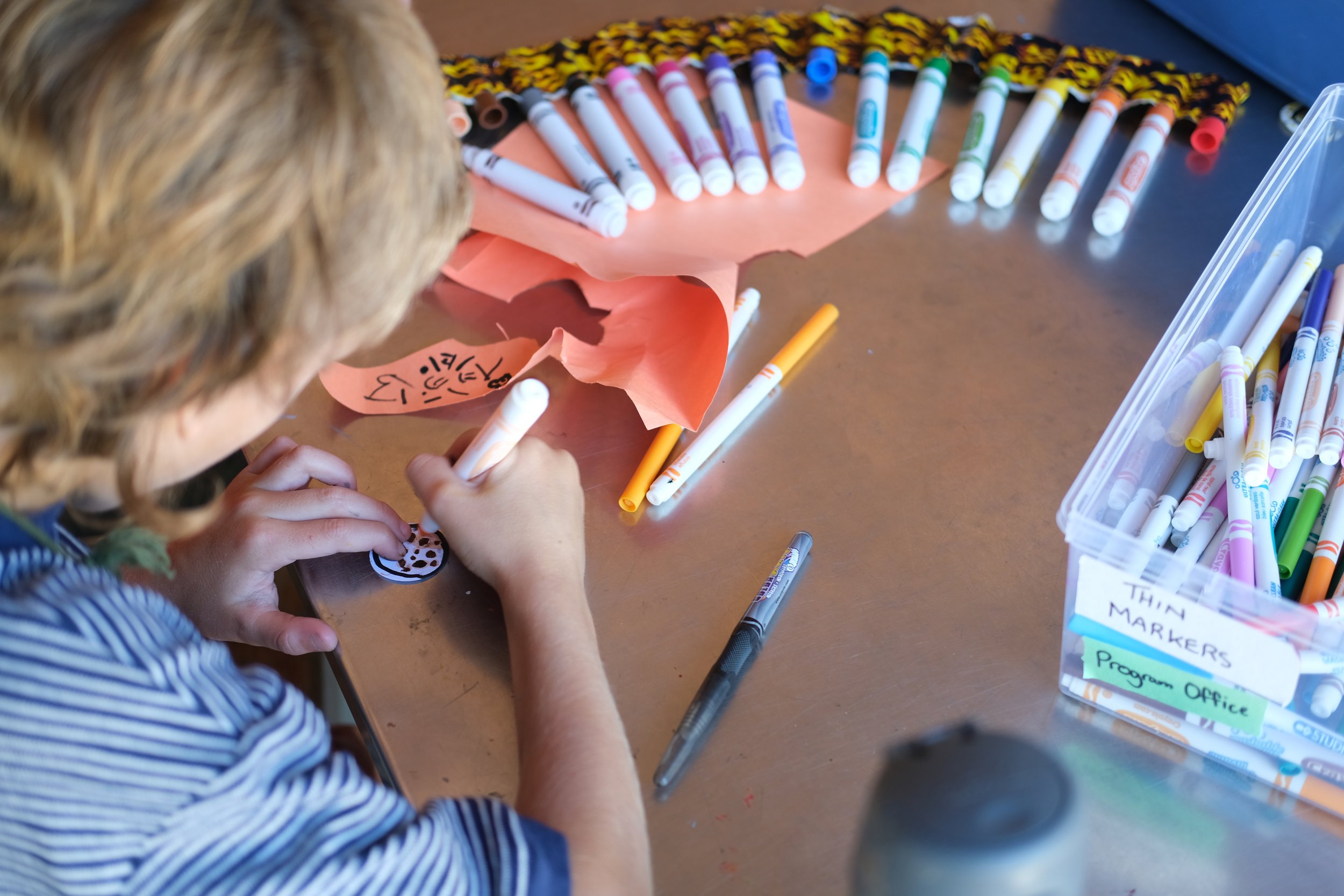
Maybe their child is shy. Maybe they want faith, or the water, or the woods. They want the place where their kid will feel at home.
More and more, that search starts inside an AI tool.
They open ChatGPT, Perplexity, or Google's AI Mode. They type a real question:
"What are good overnight camps for anxious kids in Colorado?"
"Best faith-based summer camps in the Northeast?"
The tool answers with confidence. It names a few camps. It explains why each one might fit.
Here is the part worth knowing. The camps it names are the ones it can read about online. A wonderful camp can be left off the list. The reason is not your camp's quality. There is simply not enough published online for the tool to cite.
Most directors have not named this yet. It is the new shape of the enrolment question.
What HubSpot found
HubSpot is one of the biggest marketing software companies in the world. They shared what happened when they worked to show up inside AI answers. They call it Answer Engine Optimization.
Their result: leads from AI answers grew 1,850% in about a year, from early 2025 to early 2026. Those leads closed at up to three times the rate of leads from regular search.
The same pattern is showing up in how parents choose camps. They ask an AI tool. They build a shortlist from the answer. The camps it names get a look. The rest get passed over before anyone visits a website.
How AI decides which camps to name
AI answer tools pull from sources they have read and trust. The camps that show up tend to share a few habits.
They publish specific, useful answers.
These tools pull from articles and guides that answer real parent questions. A short post called "How We Help Homesick Campers" can surface for a parent asking how camps handle homesickness. A beautiful homepage with no writing gives the tool nothing to surface. Keep your answers short. Keep them specific. That is what gets read and cited.
They earn mentions from trusted sources.
A camp resource site. A parenting magazine. An accreditation body. When one of them mentions your camp, AI tools read it as a trust signal. Each mention in a respected place is a small vote in your favour.
They make their key facts easy to read.
Programs. Session dates. Ages. Specialties. Location. Values. When these sit clearly on your site, AI tools can pull them into a summary. Buried or vague facts get skipped.
They stay consistent over time.
AI tools trust steady sources. Three years of posts, clean directory listings, and outside mentions build that trust over time.
Who tends to get left out
Picture a camp with a homepage, a registration button, and a social feed. That is the whole online footprint. Today, AI tools likely cannot see it.
This describes some of the best camps around. Decades of trust. Deep roots in their community. Real program quality. And almost nothing online for an AI tool to read.
Here is the hopeful part. The thing the tools want is the thing you already have. The specific way your camp does what it does. It only needs to be written down and shared.
Most of what makes your camp special lives in your head, and in your team's heads. The work is moving it onto the page.
Three small places to start
1. Write down the answers you already give.
You answer the same questions every week. The nervous parent in March. The first-timer at the camp fair. The family circling back after your open house. Those answers are exactly what AI tools pull from. Put them on your site as simple pages:
"How do you handle homesickness?"
"What does a typical day look like?"
"What about food allergies and dietary needs?"
You already know the answers. Now they need a home online.
2. Make your description specific.
Name what only your camp could claim. "A waterfront camp for girls in central Ontario, OCA-accredited, focused on outdoor leadership, ages 8 to 16." Details like these match a parent searching for exactly that. Broad words like "safe and nurturing" fit every camp, so a tool has little to grab onto.
3. Claim your listings where families look.
Your provincial or state association. Camp finder sites. Your Google Business Profile. The ACA. AI tools read these directories. Keep every listing the same: same name, same description, same contact details. That sameness builds trust the tools can see.
Why starting now is easier
The space is still open. Few camps are doing this well yet. What you publish this year gets read and cited through this enrolment season and the next. Each post and each mention makes the next one land a little easier. The effort builds on itself.
None of this has to feel urgent. It is simply easier to start while the field is quiet. The parents are already asking, and the answers are already pointing somewhere. You can be part of that answer whenever you are ready.
Travis Allison is a camp consultant and co-owner of UltimateCampResource.com. He works with camp directors across North America on the marketing and behind-the-scenes foundations that help camps grow sustainably.