You hired your staff to look after kids. The best of them do more. They notice.
At school, a kid who notices something wrong tells a teacher. An adult handles it. The kid learns that noticing is where their job ends.
At camp, your 19-year-old is the adult.
That's the whole shift. It might be the most important thing they learn all summer.
Why noticing matters more than almost any other camp leadership skill
Scott Arizala was talking about this stuff with me a dozen years ago.
Most of what goes right or wrong at camp starts small. A camper drifts to the edge of the group. A cabin gets a little too quiet. A trail marker goes missing. A kid lights up at something nobody else saw.
None of it announces itself. Someone has to catch it.
A staff member who notices can change a camper's whole week. The shy kid who almost slipped by gets seen. The small safety gap gets closed before anyone gets hurt. The quiet win gets celebrated out loud.
That's the work. That's why you got into this.
The skill outlasts the summer
Here's the part most directors miss. Noticing reaches far past one summer.
The staffer who learns to see and act becomes the one every boss leans on. The neighbour who spots a problem and fixes it. The friend who reads the room.
You're growing adults who notice. That stays with them for life.
The hard part: see it before you name it
Noticing comes with a catch. It's easy to jump from what you saw to a story about why.
A staffer sees a camper sitting alone and decides she's homesick. Maybe she is. Maybe she likes the quiet.
Teach your staff to start with the facts. "She's eaten lunch alone three days in a row." That's something real. That's something they can act on.
The story about why can wait until they ask.
A simple way to teach it: SPOT
Give your staff four steps. Easy to remember. Easy to use on a busy day.
- **See it.** Catch the small thing. The camper on the edge. The safety gap. The quiet win worth celebrating.
- **Pause and read it.** Ask what is actually happening. Stick to what you actually saw.
- **Own it.** At camp, you are the adult who can act. The moment is yours.
- **Take the next step.** Do something about it, or tell the person who can.
The line to give them: if you SPOT it, you've got it.
How to put it to work this week at your camp
Ten minutes at your next staff meeting is enough.
Teach SPOT. Then, before bed, ask each staffer to share one thing they noticed that day. Out loud, around the circle.
Do that for a week. Noticing becomes part of how your camp runs. It becomes a rhythm your staff carry into everything else.
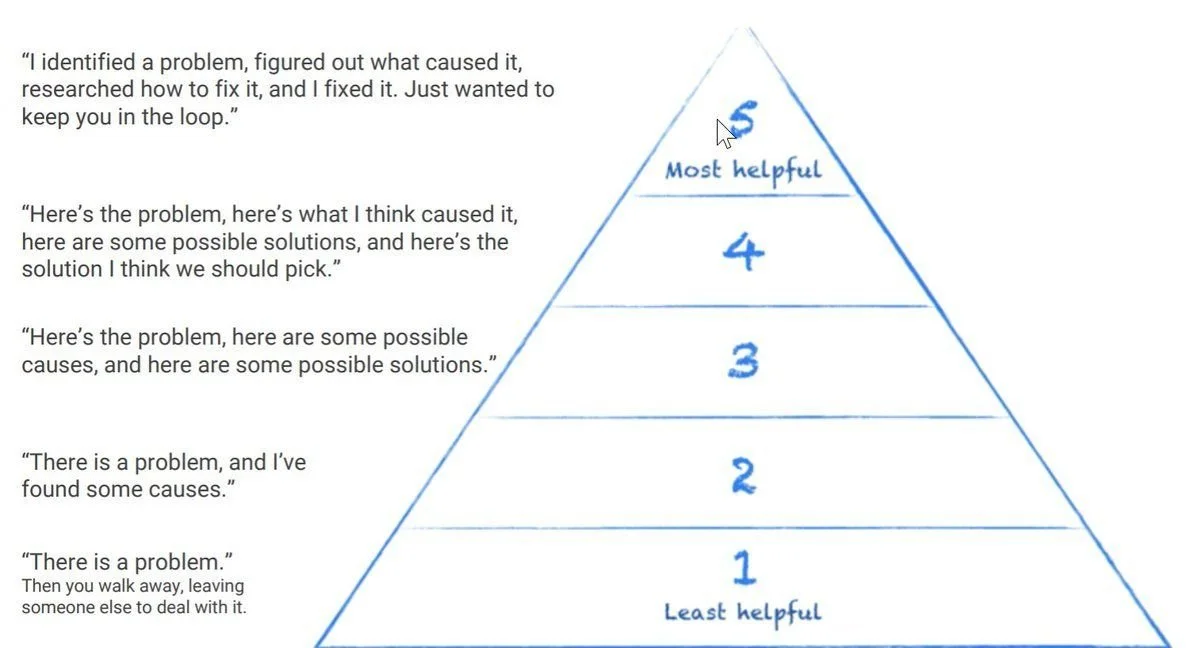
Travis Note: after I wrote this post, I saw this come up on LinkedIn. I think it's another great way of coaching your staff, to do something (have agency) with those noticing skills. Cheers to Steph Smith from NVIDIA for sharing.